

After failing to come to an agreement concerning the national budget, the federal government shut down on Oct. 1 until lawmakers came to a middle ground.
Per Fox News, the shutdown has surpassed the last known longest government shutdown in history which lasted 35 days after being shut down from Dec. 22, 2018 to Jan. 25, 2019.
“At the end of fiscal years, which is the end of September for the federal government, they have to pass funding through Congress, but they also have to raise the debt ceiling because the United States is running a deficit every year,” government teacher Mark Harris said.
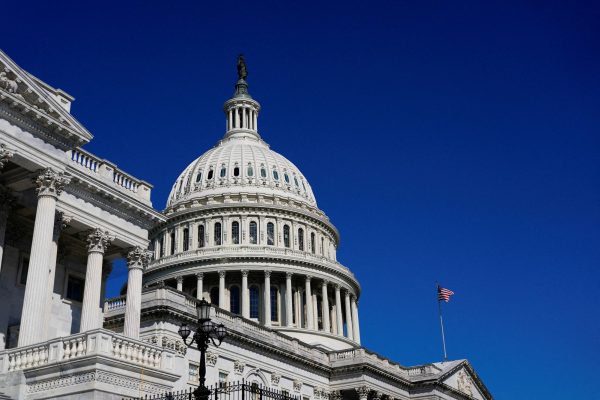
Until the Democrats and Republicans in Congress can come to a compromise, the government will be unable to fund many organizations and workers.
“It’s hurting the country especially now, as the new month has started, all welfare is down because they don’t have money for it,” senior Jonathon Slegar said. “Medicaid is down, and most all government services are limited, including things like police and Fire EMS. If they aren’t down, then they’re working without pay.”
According to The Hill, the U.S. Military is one organization that has not been paid for part of the shutdown, but they were promised a paycheck by the end of Oct.
“Traditionally, businesses don’t like uncertainty, and the government shutdown provides uncertainty because they don’t know what functions the government should pay for,” Harris said. “If you’re working without pay, you’re not going to be motivated, and we are seeing it in transportation, particularly at airports with the shortages and delays. Nov. 1 was the second paycheck that most of them would have gotten, and it’s hard to go two consecutive pay periods without a paycheck.”
According to the WRIC (Watch Good Morning Richmond) news, SNAP (Supplemental Nutrition Assistance Program) benefits ran out by the start of November, affecting individuals and families who rely on such benefits. These benefits are placed onto an Electronic Transfer card in an effort to help low-income families pay for food and groceries.
“This is the longest one we’ve ever had in American history, so one would think that they could come up with some sort of compromise by now, but at this stage, it’s hard to figure out,” Harris said.
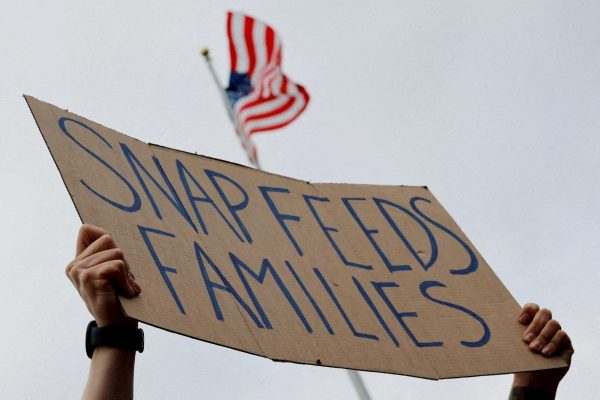
As reported by Fox News, the Senate voted on Nov. 10 to end “the longest government shutdown in history.” This vote ended in a 60-40 percentage, and it headed to the House of Representatives on Nov. 11 for a second vote in an attempt to end the shutdown.
According to CNN, on Nov. 12, the House of Representatives passed the bill in a 222-209 vote, sending it to President Trump. Trump signed and approved the bill on Nov. 12, putting an end to the shutdown.